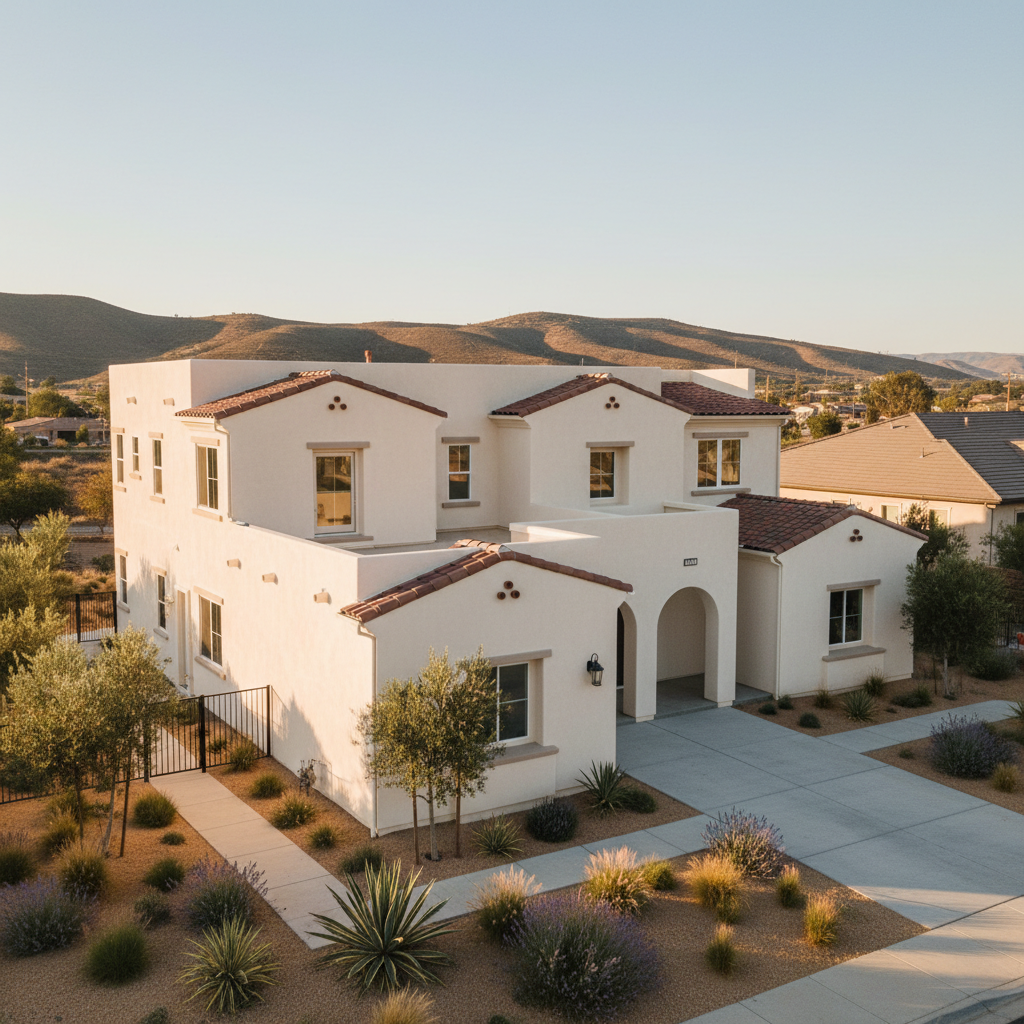
Alright, so you're looking at a commercial stucco project here in Bakersfield. Maybe it's a brand new build, or perhaps you're just giving an older building a fresh look. Whatever the case, you've got a lot on your plate, and the stucco part of the job can feel like a pretty big puzzle. Don't sweat it, though. I'm going to walk you through what to expect, how to get ready, and the absolute must-ask questions before you sign on the dotted line. This isn't just about slapping some mud on a wall; it's about getting a solid, long-lasting finish for your business.
Understanding Your Project Timeline
Let's talk timelines first, because everyone wants to know how long this is going to take. It's not a one-size-fits-all answer, but I can give you a good idea. A typical commercial stucco project, depending on the building's size and how complicated it is, can run anywhere from a few weeks to a couple of months. Really big jobs? Sometimes even longer. You've got to factor in prep work, which includes things like getting the surface ready, setting up scaffolding, and making sure the weather's cooperating. Here in Bakersfield, those summer highs can definitely slow things down, especially if you're doing exterior work during the hottest part of the day. And you can't rush the curing process, either; that's super important for durability. A good contractor will give you a detailed schedule, breaking down each phase. Don't just accept a vague 'it'll be done when it's done.' You need specifics, right?
What to Expect During the Stucco Process
Once you've got a crew on site, here's the general flow you'll see. First, they'll prep the surface. That means making sure it's clean, solid, and ready for the stucco. If it's a new build, they'll install the lath — that's the metal or fiberglass mesh that gives the stucco something to grab onto. Then comes the scratch coat, the first layer of stucco. This layer literally gets scratched to create a rough surface for the next coat to bond to. After that dries, which can take a day or two depending on humidity and temperature, they'll put on the brown coat. This is the leveling coat, getting everything plumb and straight. Again, drying time is essential. Finally, you get the finish coat. This is where the color and texture come in. This is the part everyone sees, so it really needs to be perfect. Each of these steps has specific drying and curing times that just can't be rushed. You'll also see a lot of equipment: scaffolding, mixers, spray rigs, and, of course, a crew that knows what they're doing. There will be some noise, some dust, and a lot of activity. Communication is key here; your project manager should be keeping you in the loop every step of the way.
How to Prepare Your Commercial Site
Getting your site ready can make a huge difference in how smoothly things go. First off, clear the area around the building. Any landscaping, signage, or anything else close to the walls needs to be protected or moved. This gives the crew room to work and helps prevent damage. If you've got tenants or customers, think about how the work will impact their access. Can you create temporary pathways? Are there specific hours when noise needs to be minimized? Communicating with your own people is just as important as communicating with your contractor. Make sure there's access to water and electricity. The crew will need it for mixing and powering tools. Also, think about where they can set up their equipment and store materials. A designated staging area keeps things organized and safe. If your building is in an older part of town, say near the historic district where you've got some original brick buildings, you might need to consider extra protection for adjacent structures or unique prep for older surfaces. Top Line Stucco Bakersfield always makes sure we're thinking about these details, so you should too.
Crucial Questions Before Signing That Contract
Before you commit to anything, you need to ask some pointed questions. Don't be shy; this is your investment, after all. Here are a few I'd make sure to cover:
- Can I see your license and insurance? Make sure it's current and covers commercial work.
- What's your experience with commercial stucco specifically? Ask for references from similar projects.
- What's your warranty on both materials and labor? Get it in writing.
- How do you handle change orders? What's the process if we need to adjust something mid-project?
- What's your communication plan? Who's my main point of contact, and how often will I get updates?
- What's included in the price, and what's not? Are permits, cleanup, and material disposal all covered?
- What's your safety plan for the site? This is especially important for commercial jobs.
- What's the payment schedule? When are deposits due, and when are progress payments made?
Asking these questions upfront can save you a ton of headaches down the road. A good contractor won't bat an eye at any of these; they'll appreciate that you're doing your homework. You're building something that needs to last and look good for years, so take the time to plan it right.