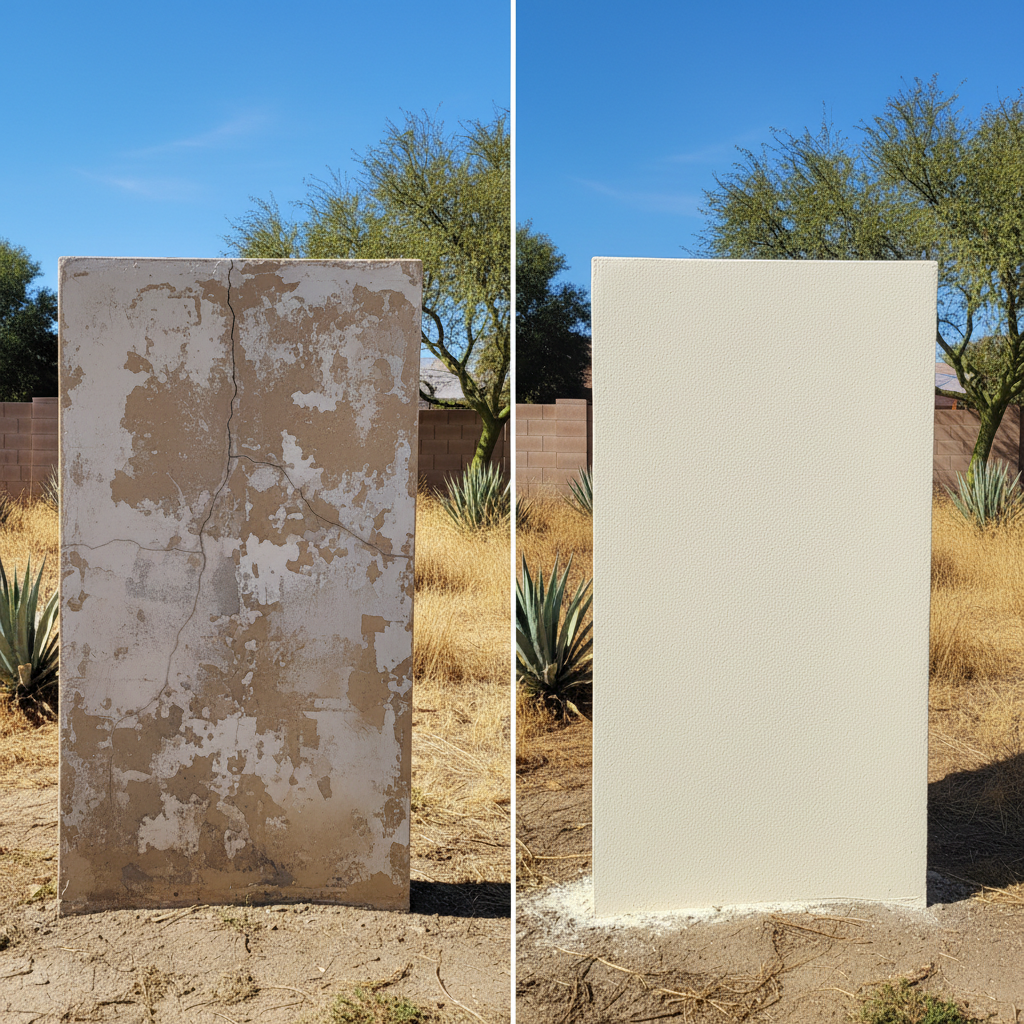
So, you've got some stucco issues on your house, right? Maybe it's just a few hairline cracks, or maybe you're seeing bigger spiderweb patterns, even a chunk that's come loose. Whatever the problem, you're looking at repairs. Generally, you've got two main routes to consider: patching it up or doing a full re-dash. I see homeowners in Bakersfield wrestle with this decision all the time, especially with our dry, hot summers and the occasional ground movement we get around here.
Patching: The Quick Fix Option
Patching is pretty much what it sounds like. We find the damaged area, clean it up, make sure no water's getting in underneath, and then we apply new stucco material just to that spot. We really try our best to match the existing texture and color, but let me tell you, it's an art, not a science.
Cost & Durability
Cost-wise, patching is almost always cheaper upfront. You're paying for less material and less labor because we're only working on a specific section. This makes it a good option for small, isolated damage. However, how long it lasts really depends on how bad the original damage was and how well the patch blends in. If we don't fix the underlying issue, that patch might not hold up as long as the stucco around it. And if you've got a bunch of small patches scattered across different walls, the cost can actually start adding up, and the whole house can end up looking a bit like Frankenstein's monster.
Maintenance & Appearance
Maintenance for a patch is generally the same as your existing stucco – just keep it clean, watch for new cracks. The biggest headache with patching is matching how it looks. Even the best stucco guy, and I've seen a lot of them, will struggle to get a perfect match. Your existing stucco has faded over time from the intense Bakersfield sun, it's got years of dirt and grime, and it's settled. New stucco, even if it's the exact same mix, will look brighter, newer, and often a slightly different shade. This contrast can be pretty noticeable, especially on a big, flat wall. You'll often see a 'ghost' of the repair, if you know what I mean.
Re-Dashing: The Full Refresh
Re-dashing, sometimes called re-coating or re-surfacing, is a more thorough approach. Instead of just fixing the bad spots, we get the entire stucco surface ready and then apply a new, thin layer of stucco over the whole thing. This isn't a full tear-off and replacement; it's more like giving your house a brand-new skin.
Cost & Durability
This option is definitely more expensive upfront than a simple patch. You're covering a much larger area, which means more material and significantly more labor. But you're getting a uniform, fresh surface across your entire home. The durability is excellent because you're essentially getting a new protective layer. It covers all existing hairline cracks, minor imperfections, and gives your home a consistent, renewed finish that should last for decades if we do it right. For homes in areas like the Panorama Bluffs where the soil can shift and cause minor stucco stress, a re-dash can give you a fresh start.
Maintenance & Appearance
With a re-dash, maintenance is straightforward because you're starting with a clean slate. You'll treat it just like new stucco. The biggest win here is the appearance. Your entire home gets a uniform, fresh look. No mismatched patches, no faded spots next to bright new ones. You can even choose a slightly different color or texture if you want to update your home's curb appeal. It's a complete transformation, making your house look like it just got a facelift.
Which One's Right for Your Bakersfield Home?
Here's how I usually break it down for folks:
- If you have a very small, isolated crack or a tiny ding, and you're okay with a potential color or texture difference, a patch might be enough. Think of it like a band-aid.
- If you have multiple cracks, larger areas of damage, or if you're just tired of your stucco looking old and tired, a re-dash is almost always the better long-term solution. It's an investment that pays off in curb appeal and consistent protection.
- If you're planning to sell your house soon, a re-dash can significantly boost its value and appeal. A patchwork quilt of repairs isn't going to impress buyers, let's be honest.
- For homes with older, traditional stucco that's starting to show its age across the board, a re-dash revitalizes the entire exterior without the cost of a full tear-off.
Ultimately, it comes down to what you're trying to achieve, your budget, and your tolerance for mismatched aesthetics. If you're looking for a lasting solution that makes your home look fantastic again, I'd lean towards a re-dash every time. It's a bigger upfront cost, sure, but the results speak for themselves. Here at Top Line Stucco Bakersfield, we've helped plenty of homeowners weigh these options, and we're always happy to come out, take a look, and give you an honest opinion on what makes the most sense for your place.